
Tourism has never been just about visiting a new place. It is about discovering something different, meeting people, trying local food, seeing new landscapes and coming home with stories to share.
Over the years, the way people travel has changed. Earlier, a holiday often meant visiting a few famous attractions, taking photographs and returning home. Today, travellers are looking for experiences that feel more personal and meaningful.
From weekend road trips and cultural journeys to adventure holidays and slow travel, tourism is becoming more diverse. Travellers have more information at their fingertips, and they are becoming more selective about where they go, where they stay and how they spend their time.
Travel Is Becoming More Experience-Driven
One of the biggest changes in tourism is the growing interest in experiences.
Instead of simply checking famous attractions off a list, travellers want to understand the destination. They may take a local cooking class, visit a village, explore a traditional market, join a nature walk or spend time with local communities.
These experiences can make a trip feel more memorable because they connect travellers with the everyday character of a destination.
For tourism businesses, this creates opportunities to offer experiences alongside traditional sightseeing packages.
Short Trips Are Becoming Part of Travel Culture
Travelling does not always require a long holiday.
Weekend getaways and short breaks have become an important part of modern travel. People living in cities can take a two- or three-day trip to nearby hills, beaches, heritage towns or wildlife destinations.
This has helped many destinations outside major tourist centres attract visitors.
A short trip can also be easier to fit around work and family commitments, making local and regional tourism increasingly important.
Nature Tourism Continues to Attract Travellers
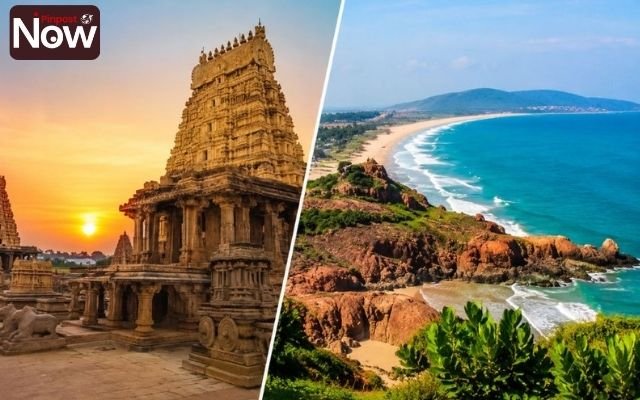
Mountains, forests, waterfalls, beaches and wildlife destinations continue to be major attractions.
Many travellers are looking for places where they can take a break from crowded urban environments. A quiet stay in the hills, a walk through a forest or a morning beside the sea can offer a very different experience from everyday city life.
Nature tourism also creates opportunities for local communities when tourism is managed responsibly and visitors are encouraged to respect the environment.
Cultural Tourism Helps Travellers Understand a Place
Every destination has a story.
Its architecture, festivals, food, music, clothing, art and traditions help explain how its communities have developed over generations.
Cultural tourism allows visitors to experience these elements directly. Heritage cities, historic monuments, temples, museums, forts and traditional festivals can all become part of a cultural journey.
India is particularly diverse in this regard. Travelling from one state to another can introduce visitors to completely different languages, cuisines, landscapes and traditions.
Food Is Becoming a Major Part of Travel
For many travellers, discovering local food is one of the highlights of a trip.
People increasingly want to know what a destination actually tastes like. Local restaurants, street food, traditional recipes, regional sweets and fresh produce can all become part of the travel experience.
Food tourism can also support small businesses such as family-run restaurants, local producers, farmers and traditional food makers.
A destination doesn't always need a world-famous monument to attract attention. Sometimes a memorable local dish can become part of a traveller's reason for returning.
Adventure Tourism Is Growing Across Destinations
Adventure travel is no longer limited to a small group of extreme travellers.
Activities such as trekking, camping, kayaking, rafting, cycling, scuba diving and wildlife safaris are attracting people looking for more active holidays.
India offers a wide range of landscapes for adventure tourism, from the Himalayas and Western Ghats to its long coastline and forests.
Safety, trained operators and responsible tourism practices remain important when developing adventure destinations.
Technology Has Changed the Way People Plan Trips
The travel journey often begins before a person leaves home.
Travellers search online for destinations, compare prices, read reviews, watch videos, check maps and look at photographs before deciding where to go.
Mobile phones have also changed the experience while travelling. Visitors can navigate unfamiliar streets, translate languages, find restaurants, make reservations and share their experiences instantly.
For tourism businesses, having accurate online information has therefore become increasingly important.
Social Media Influences Travel Inspiration
A destination can become popular after travellers share photographs, videos and personal experiences online.
Instagram, YouTube, Facebook and other social platforms have become important sources of travel inspiration. A scenic viewpoint, unusual café, beautiful beach or cultural event can quickly attract attention when visitors share it online.
However, travellers are also becoming more interested in authentic experiences rather than simply visiting places because they are trending.
Sustainable Tourism Is Becoming More Important
Tourism brings economic opportunities, but large numbers of visitors can also put pressure on local environments and communities.
Responsible tourism focuses on reducing negative impacts while ensuring local people benefit from tourism.
Simple actions can make a difference: reducing waste, avoiding damage to natural areas, respecting local traditions, supporting local businesses and following destination-specific guidelines.
For tourism businesses, sustainability can involve everything from energy and water management to responsible sourcing and community partnerships.
Local Tourism Can Strengthen Communities
Tourism doesn't have to be concentrated around major cities and famous attractions.
Small towns, villages, rural areas and lesser-known destinations can also offer memorable experiences. When visitors spend money on locally owned accommodation, restaurants, guides, transport services and handicrafts, more of the economic benefit can remain within the destination.
This makes community-based tourism an important part of developing new tourism opportunities.
Travellers Want More Flexibility
Modern travel plans are not always fixed.
People may change dates, extend their stay or modify their itinerary depending on circumstances. Flexible accommodation and travel arrangements can therefore make planning easier.
At the same time, travellers want clear information about cancellation policies, additional charges, booking conditions and inclusions before they make a payment.
Transparency has become an important part of building trust in the travel industry.
Domestic Tourism Has Huge Potential
International travel receives considerable attention, but domestic tourism remains an important part of the industry.
A country as geographically and culturally diverse as India offers enormous opportunities for travellers to explore their own regions.
Someone from Bengaluru can explore Karnataka's heritage sites, beaches and Western Ghats. A traveller from Mumbai can discover destinations across Maharashtra and neighbouring states. A visitor from Delhi can explore the mountains, heritage cities and cultural destinations of North India.
Domestic tourism can also make travel more accessible by reducing the cost and complexity associated with international trips.
The Future of Tourism
Tourism is moving toward a model where the journey is about more than reaching a destination.
Travellers want choices. Some want adventure, while others want relaxation. Some prefer luxury resorts, while others choose homestays or budget accommodation. Some want to explore famous landmarks, while others deliberately search for places away from the usual tourist routes.
This diversity is an opportunity for the travel industry.
Tour operators, hotels, destination managers, local businesses and travel platforms can create better experiences by understanding different types of travellers and offering relevant information and services.
Final Thoughts
Tourism connects people with places.
It introduces travellers to different cultures, landscapes, cuisines and traditions while creating economic opportunities for communities that welcome visitors.
The future of tourism will likely be shaped not by one particular type of travel, but by the variety of choices available to travellers.
A weekend in the hills, a family holiday by the beach, a heritage journey, a wildlife adventure or a simple road trip can all become meaningful travel experiences.
Ultimately, the best journeys are not always measured by the number of places visited. They are remembered for the people we meet, the things we discover and the experiences we carry home.