India to Host WTTC Global Summit 2027 in New Delhi
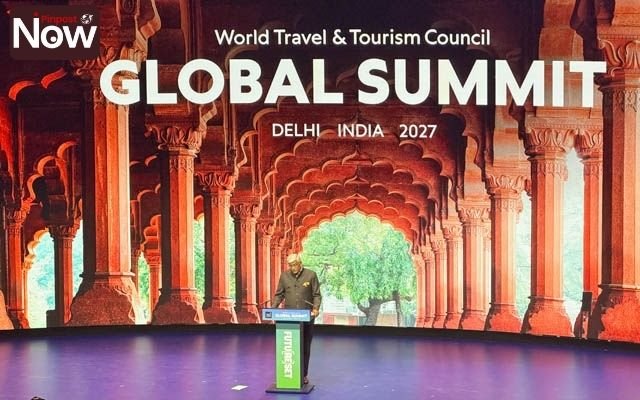
India to Host WTTC Global Summit 2027 in New Delhi India is set to welcome some of the world's most influential travel and tourism leaders in 2027 after being selected as the host destination for the World Travel & Tourism Council (WTTC) Global Summit.The announcement was made on 9 October 2026 during WTTC's 26th Global Summit in Valletta, Malta. India was selected following a competitive process involving 21 destinations interested in hosting the prestigious industry gathering.
The upcoming summit is expected to bring together senior executives from travel and hospitality companies, government representatives, tourism authorities and investors. For India, the event offers an opportunity to present its tourism potential to an international audience and encourage greater cooperation between the public and private sectors.
Why Is the WTTC Global Summit Important for India?
The WTTC Global Summit is a major annual gathering for the international travel and tourism industry. It provides a platform for business leaders and policymakers to exchange ideas, discuss emerging challenges and explore opportunities for the sector's future.
The event typically brings together representatives from airlines, hotel groups, airports, cruise companies, tour operators, travel technology businesses and destination management organisations.
Hosting the 2027 edition could help India strengthen its position as an important destination for tourism investment and international business partnerships.
It also comes at a time when India's domestic travel market is expanding and the country is working to attract a greater share of international visitor spending.
While the summit's detailed programme and dates have yet to be announced, its selection of New Delhi as the host city represents a significant development for India's tourism industry.
India's Travel and Tourism Industry Records Strong Growth
The decision comes against the backdrop of encouraging economic figures for the sector.
According to the World Travel & Tourism Council's latest Economic Impact Research, India's travel and tourism sector contributed US$263.6 billion to the economy in 2025, representing year-on-year growth of 7.3%.
The industry also supported approximately 46.2 million jobs, highlighting its importance to employment and economic activity across the country.
WTTC forecasts that the sector's economic contribution will rise to US$286.1 billion in 2026, with employment supported by the industry expected to reach 48.1 million jobs.
Looking further ahead, WTTC projects that India's travel and tourism economy could reach US$527 billion by 2036.
These projections underline the potential of tourism to support investment, create employment and generate opportunities across accommodation, transport, destination services and travel distribution.
Domestic Tourism Provides a Strong Foundation
One of India's biggest strengths is its large domestic travel market.
WTTC research shows that domestic visitor spending reached US$203 billion in 2025, accounting for approximately 86% of total travel and tourism spending in India.
This demand supports a broad network of businesses, including hotels, resorts, travel agencies, tour operators, transport providers and destination experiences.
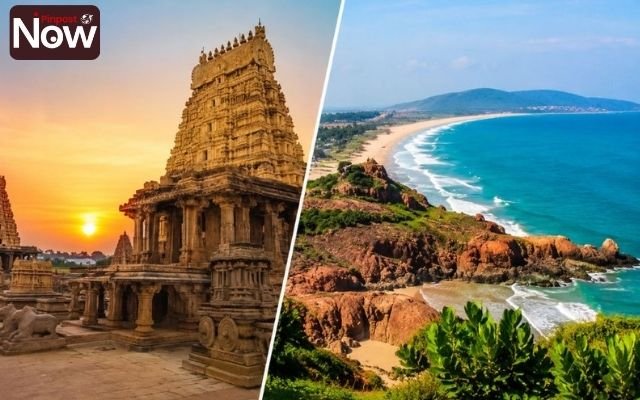
From popular cultural and heritage destinations to coastal regions, wildlife reserves and emerging leisure markets, domestic tourism creates opportunities for businesses of different sizes.
However, attracting more international visitors remains an important opportunity for the industry. Stronger international connectivity, destination marketing, accessible travel information and closer cooperation with overseas travel companies could help India reach a wider global audience.
The WTTC Global Summit will give industry leaders an opportunity to discuss how India can build on its domestic market while developing its international tourism potential.
What Could the Summit Mean for Hotels, Airlines and Travel Companies?
The impact of hosting a major international tourism gathering can extend beyond the event itself. It can create opportunities for industry engagement, business development and destination promotion.
Hotels and hospitality
Hotels in New Delhi and surrounding areas could benefit from accommodation requirements associated with delegates, corporate representatives, speakers and other event participants.
The summit may also provide opportunities for hospitality companies to strengthen relationships with international travel businesses and explore future partnerships. The scale of any commercial benefit will depend on the final programme and attendance.
Airlines and aviation
International business events rely on convenient air connectivity. The summit could provide an opportunity to highlight India's domestic and international aviation network and its role in connecting business travellers with destinations across the country.
Airlines and travel management companies may also find opportunities to engage with corporate travel buyers and tourism stakeholders.
Travel agents and tour operators
The summit presents a potential platform for Indian travel businesses to build relationships with international counterparts.
Tour operators and destination management companies could use the wider attention on India to promote cultural holidays, heritage experiences, wellness retreats, wildlife tourism, luxury travel and customised itineraries.
For B2B travel companies, the value of such an event lies not only in immediate bookings but also in the partnerships and commercial relationships developed around it.
Tourism boards and destination marketing organisations
The summit could help state tourism departments and destination marketing organisations bring greater international attention to India's diverse tourism offerings.
Destinations outside the country's most established tourism circuits may also have an opportunity to present new experiences, develop trade relationships and explore joint promotional activities.
Government and Private-Sector Collaboration Will Be Key
Tourism growth depends on more than attracting visitors. It also requires investment in infrastructure, efficient transport connections, quality accommodation, skilled workers and services that meet the expectations of domestic and international travellers.
The WTTC Global Summit brings together decision-makers from across these areas, making it a useful forum for discussing shared priorities.
For India, the opportunity will be to turn international attention into practical outcomes, including stronger industry partnerships, new investment discussions and improved visibility for destinations and tourism businesses.
The summit could also provide a platform to discuss sustainability, technology adoption, workforce development and the changing expectations of modern travellers.
The eventual impact will depend on the priorities established by participants and the initiatives that follow the event.
India Moves Into the Global Tourism Spotlight
The selection of New Delhi as the host city for the 2027 WTTC Global Summit is an important milestone for India's travel and tourism sector.
With a substantial domestic visitor economy, a diverse range of destinations and continued growth in tourism-related economic activity, India has a strong foundation on which to build its international profile.
The next challenge is to convert that potential into greater international visitor demand, stronger business relationships and sustainable long-term growth.
For travel agents, tour operators, hotels, airlines, tourism boards and destination management companies, the summit will be worth watching as further details emerge.
Pinpost Online will continue to cover developments related to the WTTC Global Summit 2027, India's tourism industry, international travel trends and opportunities for the travel trade.
About the World Travel & Tourism Council
The World Travel & Tourism Council (WTTC) represents the private sector of the global travel and tourism industry. Its membership includes senior leaders from major hotels, airlines, airports, cruise companies, tour operators, travel technology businesses and other tourism-related organisations.
Through research, industry engagement and collaboration with governments, WTTC works to highlight the economic contribution of travel and tourism and support the sector's long-term development.