
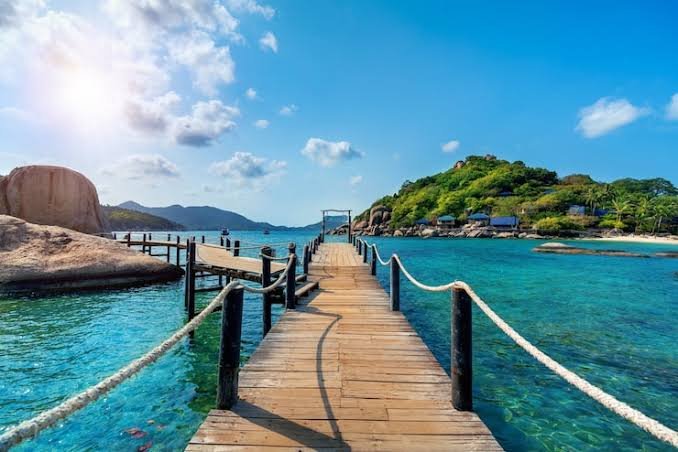
A good holiday is not always about how many places you visit. Sometimes, it is about what you do when you get there.
Watching the sunrise from a mountain, learning to cook a local dish, walking through an old market, exploring a forest, diving into clear water or simply sitting by the beach at sunset can become the moments that stay with you long after the trip is over.
This is why activities and experiences have become an important part of modern tourism. Travellers are increasingly looking beyond traditional sightseeing and searching for things they can actually experience during their journey.
Travel Is More Than Sightseeing
Visiting famous landmarks will always be part of tourism, but travellers today often want something beyond taking photographs.
They want to participate.
A destination becomes more interesting when visitors can interact with its culture, nature, food and people. A guided heritage walk can reveal stories that may not be obvious from simply looking at a monument. A local food experience can introduce visitors to traditions that have been passed down through generations.
These small experiences can give a trip a stronger sense of place.
Adventure Activities for Travellers Who Love the Outdoors
Adventure tourism offers plenty of ways to make a holiday more active.
Depending on the destination, travellers can choose activities such as trekking, camping, rafting, kayaking, cycling, rock climbing, zip-lining or scuba diving.
Mountain destinations can offer trekking and camping, while rivers and coastlines provide opportunities for water-based activities.
Adventure does not necessarily mean doing something extreme. Even a long nature walk or a bicycle ride through the countryside can become an enjoyable part of a trip.
Safety should always come first, particularly when participating in activities involving water, heights, forests or challenging terrain. Choosing trained operators and following local guidelines can make the experience safer and more enjoyable.
Wildlife Experiences Bring Travellers Closer to Nature
Wildlife tourism allows visitors to observe animals and natural environments in their own surroundings.
Safari drives, birdwatching, guided forest walks and nature trails are popular ways to explore wildlife destinations.
The experience is often about patience. Unlike a zoo, nature does not operate on a schedule. You may spend hours in a forest without seeing a particular animal, and then suddenly encounter something unforgettable.
Responsible wildlife tourism also means maintaining a safe distance, following park rules and avoiding behaviour that disturbs animals.
Food Experiences Tell the Story of a Destination
Food can be one of the easiest ways to connect with a new place.
Every region has its own ingredients, cooking methods and food traditions. Travellers can explore these through street-food tours, local restaurants, cooking classes, food markets and traditional meals.
Trying a regional dish may reveal something about the history and lifestyle of the community that created it.
For travellers, food experiences can also be more personal than visiting another tourist attraction. A meal shared with local people can sometimes become one of the most memorable parts of a journey.
Cultural Experiences Create Deeper Connections
Culture is not limited to museums and monuments.
Travellers can experience a destination through festivals, traditional performances, handicrafts, music, dance, local markets and community events.
A guided walk through a historic neighbourhood can reveal everyday details that visitors might otherwise miss. Visiting an artisan workshop can show how traditional products are made. Attending a local festival can provide an opportunity to see traditions in a living environment.
The most important part is respecting local customs and communities while participating.
Water Activities for Coastal and River Destinations
Water-based experiences are popular in destinations with beaches, rivers and lakes.
Depending on local conditions, travellers may enjoy activities such as kayaking, boating, surfing, snorkelling, scuba diving, fishing or simply taking a scenic boat ride.
Coastal destinations can offer a combination of relaxation and adventure. A traveller might spend the morning exploring underwater life and the evening watching the sunset from the beach.
Weather and water conditions can change quickly, so visitors should follow local safety instructions and use qualified activity providers where appropriate.
Slow Experiences Are Also Becoming Popular
Not every experience needs to be exciting.
Some travellers prefer slower activities that allow them to enjoy the destination without rushing.
A plantation walk, village visit, nature photography session, wellness retreat, sunset walk or quiet afternoon at a local café can be just as rewarding as an adventure activity.
Slow travel gives visitors more time to observe their surroundings and experience a destination at a comfortable pace.
Experiences for Families
Families often look for activities that different age groups can enjoy together.
Nature parks, museums, aquariums, cultural attractions, easy hikes, boat rides and interactive experiences can provide opportunities for parents and children to explore together.
Planning is important when travelling with children. Families should consider activity duration, accessibility, weather conditions and safety requirements before booking.
The best family experiences are often those where everyone can participate rather than simply watch.
Experiences for Couples
Couples may have different ideas about what makes a memorable trip.
For some, it could be a quiet beach sunset. For others, it might be a scenic road trip, a mountain stay, a food experience or an outdoor adventure.
The advantage of experience-based tourism is that travellers can build their itinerary around their interests rather than following a standard package.
Photography and Creative Experiences
Travel and photography naturally go together.
From dramatic landscapes to colourful markets and traditional architecture, destinations provide endless opportunities for creative photography.
Some destinations also offer specialised experiences such as photography walks, heritage tours and sunrise or sunset excursions.
Travellers don't necessarily need expensive equipment. A phone and an eye for interesting details can be enough to create memorable photographs.
Local Experiences Support Local Businesses
Activities and experiences can also provide economic opportunities for local communities.
Local guides, instructors, artists, restaurants, artisans, transport operators, activity providers and small accommodation businesses can all benefit when travellers choose locally operated experiences.
This creates a stronger connection between tourism and the communities that host visitors.
For travellers, it can also provide a more authentic understanding of the destination.
How to Choose the Right Experience
With so many activities available, travellers should consider a few basic questions before booking.
What interests you?
Choose activities that match your personality rather than booking something simply because it is popular.
How much time do you have?
Some experiences take a few hours, while trekking, diving courses or multi-day adventures may require considerably more time.
What is the difficulty level?
Check physical requirements and age restrictions before participating.
Is the provider reliable?
Look for clear information, appropriate safety procedures and qualified staff.
What is included in the price?
Understand whether transportation, equipment, meals, entry fees or guides are included.
A little research before booking can prevent unnecessary surprises.
The Future of Activities and Experiences
Tourism is gradually moving from simply seeing destinations to experiencing them.
Travellers want stories they can participate in, not just photographs they can take.
Technology will continue to make it easier to discover and book activities, but the experience itself will remain personal. A digital booking may take only a few seconds, while the memory created during the activity can last for years.
This creates an opportunity for destinations and tourism businesses to focus on meaningful, responsible and well-organised experiences.
Final Thoughts
The places we visit may eventually blur together, but certain experiences stay with us.
It might be the first time you watched the sunrise from a mountain, tasted a dish you had never tried before, walked through an unfamiliar village or explored a coral reef.
Activities and experiences give travellers a reason to step outside their usual routine and see a destination differently.